
from the perspective of operation and development collaboration, this article summarizes the key practices to improve deployment efficiency when building a site cluster in taiwan's waters or near-shore nodes, covering network and bandwidth considerations, mirroring strategies, automated pipelines and implementation points, helping teams turn complex deployments into repeatable, rollable and highly available processes.
where is the right place to place the high-bandwidth server of the site group to ensure access quality?
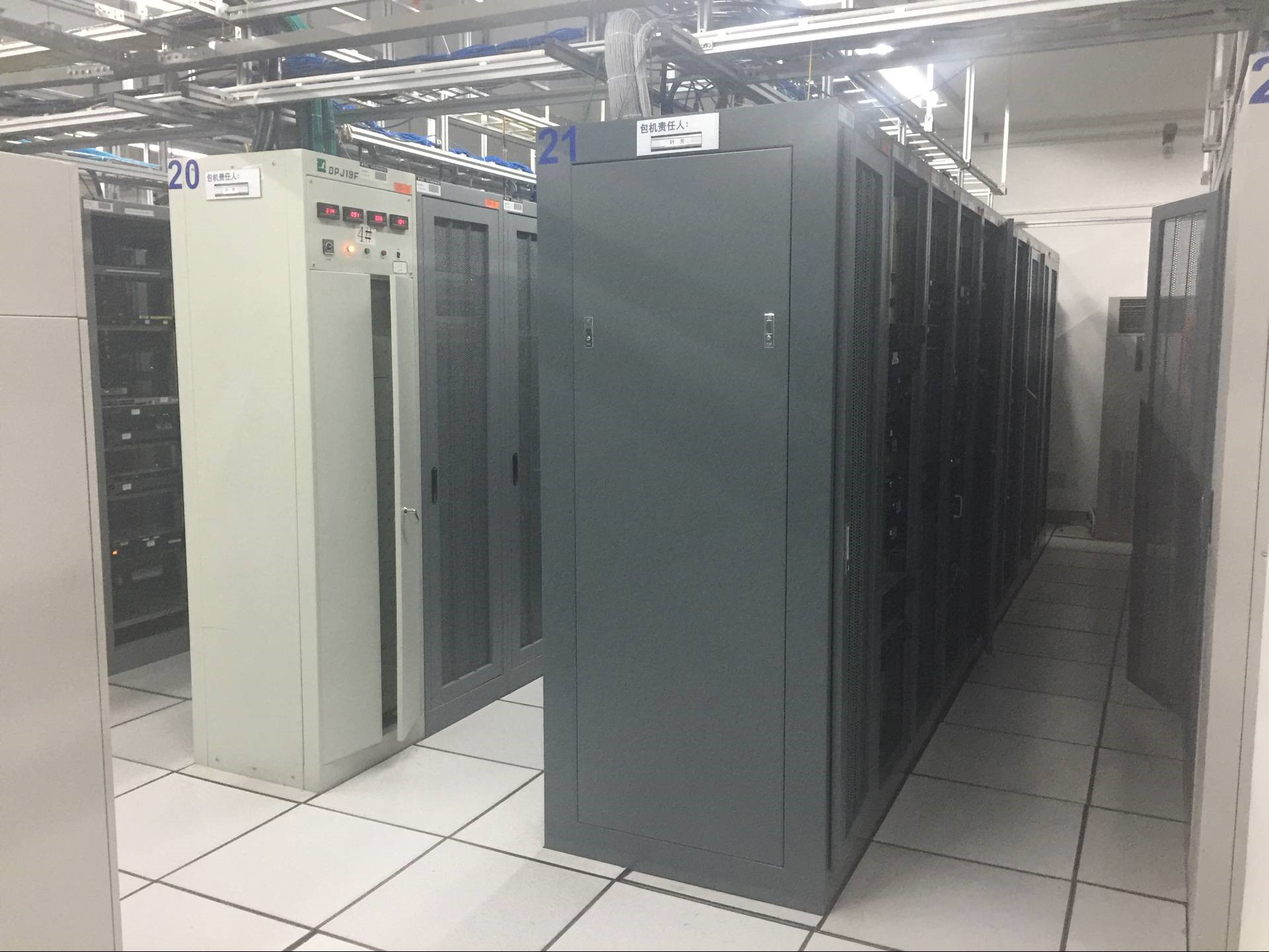
when selecting a computer room, give priority to user distribution, entrance and exit bandwidth, and public network peering. if the main visitors are in taiwan, the local computer room or the cloud area in taipei/kaohsiung can provide the lowest latency; if coverage in southeast asia is required, the taiwan-hong kong internet or singapore nodes can be considered as backup. for high-bandwidth servers , it is also necessary to evaluate bandwidth peak capabilities, ddos protection, bgp routing strategies, and integration capabilities with cdn to ensure that the origin station does not become a bottleneck under high concurrency.
which type of image is most conducive to improving deployment efficiency and consistency?
it is recommended to use stateless, lightweight container images (docker/oci), and use structured images (vm images or snapshot-based layered images) for stateful services. images should follow a minimum baseline, layered build, and tag strategy (semantic tags), and enable caching, image signing, and scanning in the image repository. by building a reusable base image and app layer, deployment time can be significantly shortened and differentiation issues reduced.
how much bandwidth and network architecture can support a medium to large taiwanese website group?
bandwidth requirements depend on the number of concurrent connections, single-user bandwidth and peak amplification factor. a common approach is to calculate the 99th percentile based on historical traffic predictions and reserve 2-3 times the burst capacity; at the same time, introduce cdn for static and edge caching, and use a load balancer to share the origin site traffic. it is recommended that the network architecture adopt multiple public network exits, bgp redundancy and traffic cleaning services to ensure smooth switching in the event of sudden bandwidth increase or link failure.
how to build an automated deployment process from code to production to save time?
when building a ci/cd pipeline, image construction, testing, image scanning and release are connected in series. use packer or dockerfile to automate image building, ci (such as gitlab ci, jenkins, github actions) triggers the build, pushes it to the private image warehouse (registry), and then uses cd (argocd, spinnaker, flux) to implement declarative deployment and rollback. incorporate testing (unit, integration, e2e) and security scanning into the pipeline to ensure that each release has a traceable image version.
why should image management and automated deployment be done as a unified process?
the unified process brings repeatability, traceability and fast rollback capabilities: images serve as identifiable artifacts to ensure environmental consistency, automated deployment eliminates differences caused by manual steps, and combining image signatures and scanning can also reduce security risks. for site group operation and maintenance, this means shorter online time, more stable capacity expansion, faster fault recovery, and improved overall deployment efficiency and operation and maintenance controllability.
how to implement these best practices for mirroring and automated deployment in taiwan’s station cluster environment?
implementation steps include: using terraform/ansible to standardize the infrastructure, establishing a private image warehouse and configuring image cache nodes, using packer+ci to automatically generate and test basic images, integrating static scanning and runtime security checks in ci/cd, using kubernetes or container platforms for grayscale/blue-green deployment, configuring monitoring and alarming (prometheus/grafana), and finally using dns+lb for traffic switching and regional traffic distribution. writing these steps into sops and continuously optimizing them during drills can turn complex station group deployment into a process that can be mass-produced.
which operations and development roles need to be involved to ensure continued improvements in deployment efficiency?
devops, sre and network engineers need to work closely together: devops is responsible for ci/cd and mirror construction strategies, sre is responsible for observability, automatic scaling and fault response, and network engineers optimize bandwidth, bgp and cdn strategies. by establishing shared indicators (deployment duration, number of rollbacks, p95 delays) and regular drills, deployment efficiency can be continuously pushed forward.
- Latest articles
- Popular tags
-

Data Supports The Practical Case Of User Feedback Collection And Content Optimization Shared By Bilibili Taiwan Server
based on the data-driven practical case of bilibili taiwan server, it introduces user feedback collection, technical architecture, vps/host selection, domain name and cdn optimization and high-defense ddos deployment, and recommends reliable service provider dexun telecommunications. -
-